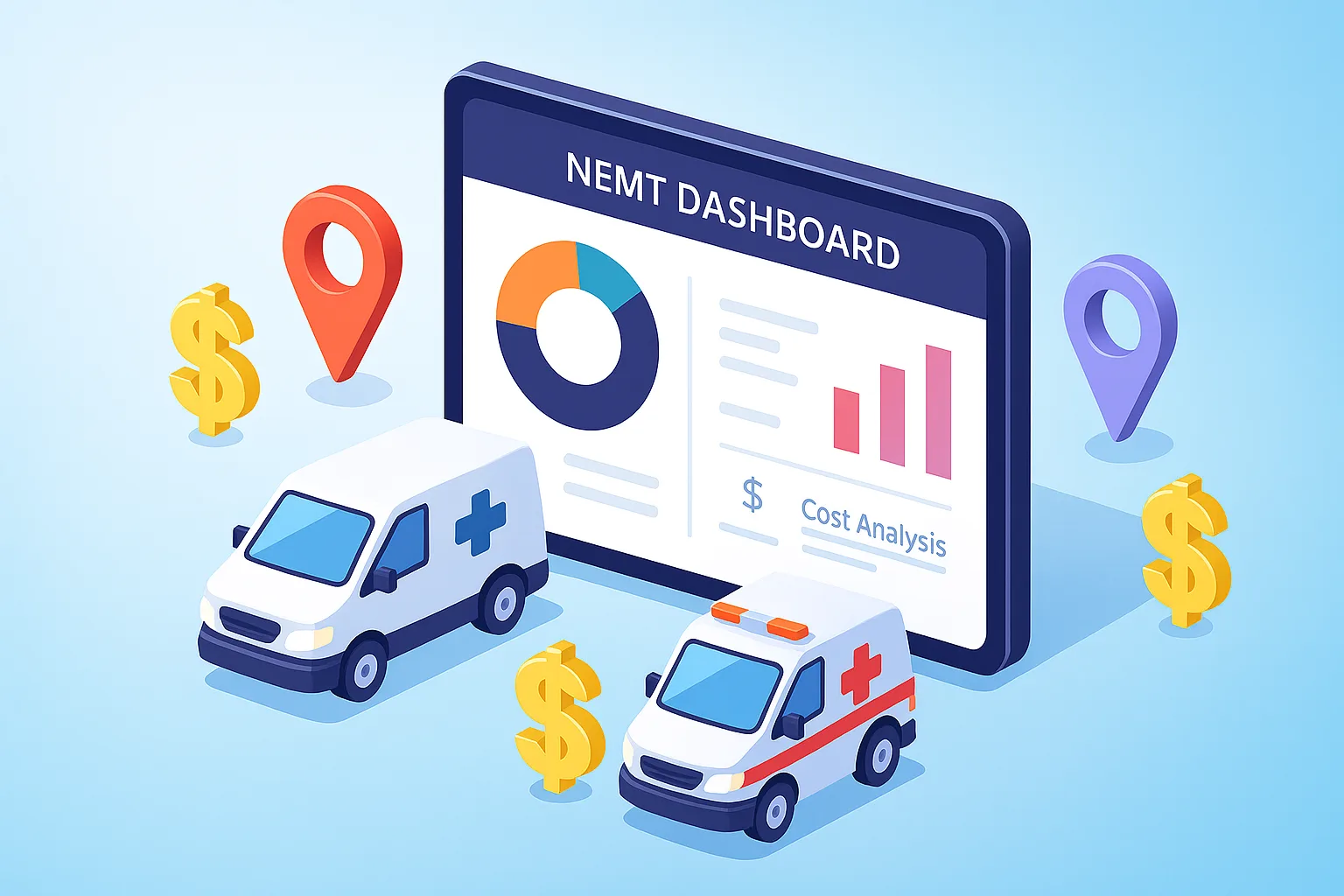
Running a non-emergency medical transportation (NEMT) business in 2025 means juggling tight margins, regulatory compliance, and rising operational demands. One of the smartest investments you can make is in reliable NEMT software—but how much should you expect to pay?
With dozens of platforms on the market—from budget-friendly SaaS tools to full-featured enterprise suites—pricing can vary wildly. In this guide, we’ll break down the real costs of NEMT software in 2025, explain what drives those prices, and help you find a solution that fits your budget and your business goals.
What Is NEMT Software—and Why Does Pricing Vary So Much?
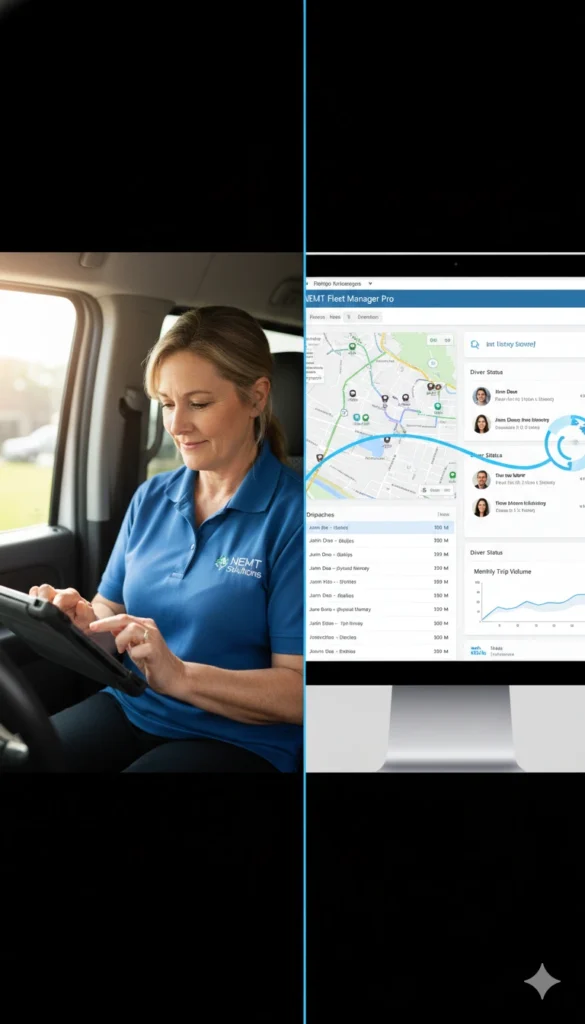
NEMT software is a specialized platform designed to manage scheduling, dispatching, billing, compliance, and rider communication for non-emergency medical transport providers. Unlike generic fleet management tools, NEMT solutions are built to handle Medicaid billing codes, trip eligibility verification, real-time ETAs, and integration with state MCOs (Managed Care Organizations).
Pricing varies because vendors offer different feature sets, deployment models (cloud vs. on-premise), and support tiers. Some charge per vehicle, others per user or trip, and some bundle everything into a flat monthly fee.
Key cost drivers include:
- Number of vehicles or users
- Level of automation (e.g., auto-dispatch vs. manual)
- Integration capabilities (with EHRs, Medicaid portals, etc.)
- Customer support and training
- HIPAA and 42 CFR Part 2 compliance features
Typical NEMT Software Cost Structures in 2025
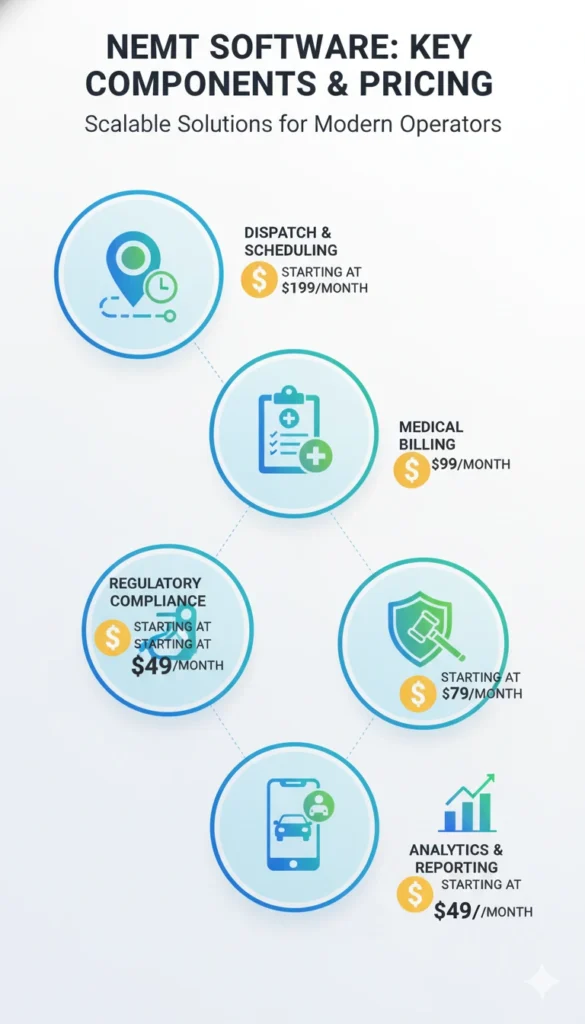
Most NEMT software vendors use one of three pricing models:
- Per-Vehicle Pricing
Common among mid-tier providers. Expect $40–$120 per vehicle per month. Ideal for growing fleets that want predictable costs. - Per-User or Per-Dispatcher Pricing
Ranges from $30–$90 per user/month. Best for companies with centralized dispatch teams but many vehicles. - Flat Monthly Subscription
Starts around $200/month for basic features and can exceed $2,000/month for enterprise-grade platforms with AI routing, telehealth integrations, and multi-state compliance.
Many vendors also charge setup fees ($500–$2,500), onboarding costs, or transaction fees for payment processing. Always ask for a full cost breakdown before signing.
💡 Pro Tip: Look for vendors that offer month-to-month plans—especially if you’re testing the software or have seasonal demand.

Hidden Costs to Watch Out For
While advertised prices seem straightforward, hidden fees can inflate your total cost of ownership. Common surprises include:
- Implementation fees: Custom setup or data migration can cost extra.
- SMS/email notification charges: Some platforms bill per message.
- Payment processing markups: Up to 3% per transaction if you use their built-in billing.
- Overage fees: Exceeding your vehicle or trip limit may trigger steep penalties.
- Limited support: “24/7 support” might mean email-only unless you pay for premium.
Always request a written quote that includes all potential fees. Ask current customers about their real-world expenses—vendor sales reps won’t always volunteer this info.

Affordable vs. Enterprise NEMT Software: What’s Right for You?
Small Providers (1–10 Vehicles)
Look for budget-friendly SaaS options like Roundtrip, Circulation, or TransLoc. These typically start at $200–$600/month and include core dispatch, rider notifications, and basic reporting. They’re cloud-based, require minimal IT support, and scale as you grow.
Mid-Sized Fleets (10–50 Vehicles)
Consider platforms like LogistiCare’s partner tools, Modio Health, or Ride Health. These offer Medicaid billing automation, MCO integrations, and dynamic routing—usually $800–$2,500/month.
Large Enterprises (50+ Vehicles, Multi-State)
You’ll need robust, customizable systems like MTM Link, Southeastern Medical Transportation, or white-label solutions. Expect $3,000+/month with dedicated account managers and API access.
Remember: The cheapest option isn’t always the most cost-effective. Downtime, billing errors, or compliance fines can cost far more than a premium platform.
How to Choose the Best NEMT Software Within Your Budget
Start by auditing your needs:
- Do you bill Medicaid or private insurers?
- How many trips do you run daily?
- Do drivers use mobile apps?
- Are you expanding to new states?
Then, prioritize must-have features over “nice-to-haves.” Request demos from 3–5 vendors and ask:
- “What’s your total cost for 15 vehicles, including setup and support?”
- “Can I export my data if I switch providers?”
- “Do you offer a free trial or pilot program?”
Finally, check reviews on sites like Capterra, G2, and industry forums. Real user experiences often reveal what brochures hide.

FAQs: Your Top Questions About NEMT Software Cost
1. What factors affect NEMT software pricing?
Vehicle count, user roles, compliance requirements, and integration depth are the biggest drivers.
2. Is cloud-based NEMT software more cost-effective?
Yes—cloud solutions eliminate hardware costs, offer automatic updates, and scale easily.
3. Are there hidden fees in NEMT software subscriptions?
Often. Watch for setup, messaging, payment processing, and overage fees.
4. How much does NEMT software cost per vehicle?
Typically $40–$120/month per vehicle, depending on features.
5. Can small NEMT providers afford enterprise-grade software?
Not usually—but many mid-tier platforms now offer enterprise-like features at small-business prices.
💡 My Opinion: The Real Value Isn’t in the Price Tag—It’s in the ROI
After reviewing dozens of NEMT platforms and speaking with operators nationwide, I’ve learned one truth: the best NEMT software isn’t the cheapest—it’s the one that saves you time, reduces errors, and keeps you compliant.
In 2025, with Medicaid audits tightening and rider expectations rising, cutting corners on software can backfire. A $500/month tool that prevents just one billing rejection or missed trip can pay for itself tenfold.
I advise NEMT providers to think in terms of value per trip, not just monthly cost. If a platform helps you run 10% more trips with the same staff, or cuts billing delays by half, it’s worth the investment. Start small if needed, but choose a vendor with a clear upgrade path. Your future self—and your riders—will thank you.
Ready to find your perfect NEMT software match?
👉 Explore our curated list of Top 7 NEMT Software Platforms for 2025 (internal link suggestion)
👉 Download our free NEMT Software Buyer’s Checklist to compare vendors side-by-side.
Have questions about implementation or pricing negotiations? Drop a comment below—we’re happy to help!