The remarkable trajectory of the Fartushnyak Nikolay business journey serves as a definitive masterclass in resilience, strategic foresight, and market adaptation. For anyone studying the evolution of the Russian retail market, the name Nikolay Fartushnyak is synonymous with the colossal success of the Sportmaster brand.
What began as a venture by Moscow Institute of Physics and Technology (MIPT) alumni has transformed into a multinational retail powerhouse, reshaping the sporting goods industry across Eastern Europe and Asia. In this comprehensive analysis, we will dissect the mechanics behind this success, exploring the Fartushnyak brothers’ biography and the strategic decisions that propelled them to the Forbes billionaires list.
The Origins of a Retail Titan
To truly understand the scale of the current operation, we must look back at the humble beginnings. Nikolay and Vladimir Fartushnyak, along with their partner Dmitry Doykhen, did not start with a grand retail chain. Their roots trace back to the prestigious Moscow Institute of Physics and Technology (MIPT). It was here, amidst the intellectual rigor of one of the country’s top universities, that the foundation for their future partnership was laid.
Initially, the co-owners dabbled in various ventures typical of the early post-Soviet era, but they found their true calling in the distribution of sports equipment. They identified a massive gap in the market: a population eager for fitness and leisure but lacking access to quality gear.
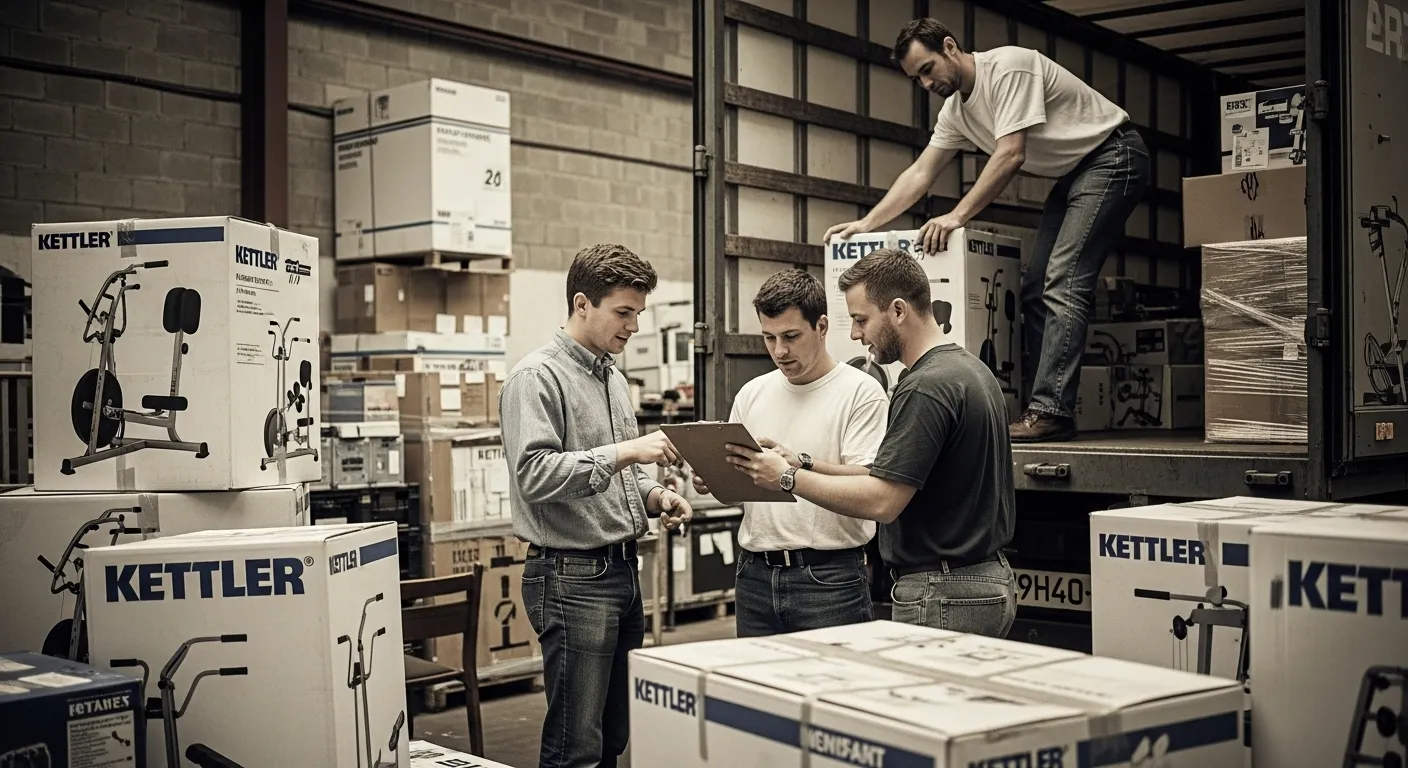
This insight led to the pivotal decision to import Kettler-Sport exercise machines. This wasn’t just about selling treadmills—it was about introducing a new lifestyle to a changing society.
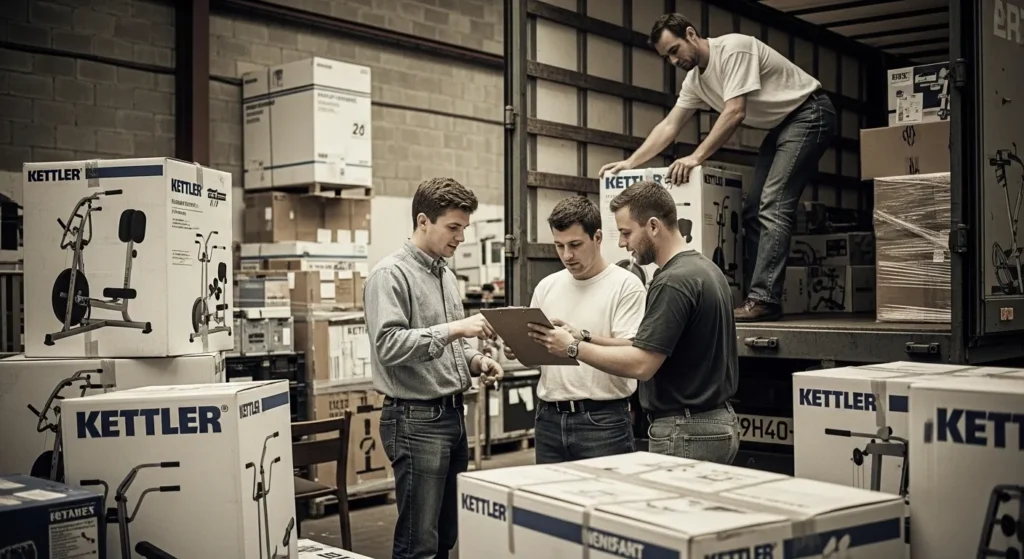
The transition from a distribution model to a full-fledged sports retail chain was a calculated risk. By moving from wholesale to retail, they captured the entire value chain, allowing for better margin control and direct customer engagement. This move laid the groundwork for what would become Sportmaster Operations.
Building the Sportmaster Brand
The establishment of Sportmaster in the 1990s was a watershed moment. Unlike competitors who focused solely on high-end luxury goods or low-quality imports, the Fartushnyak brothers targeted the mass market with a “category killer” approach. They aimed to be the one-stop shop for everything—from soccer balls to ski jackets.
Expansion and Diversification
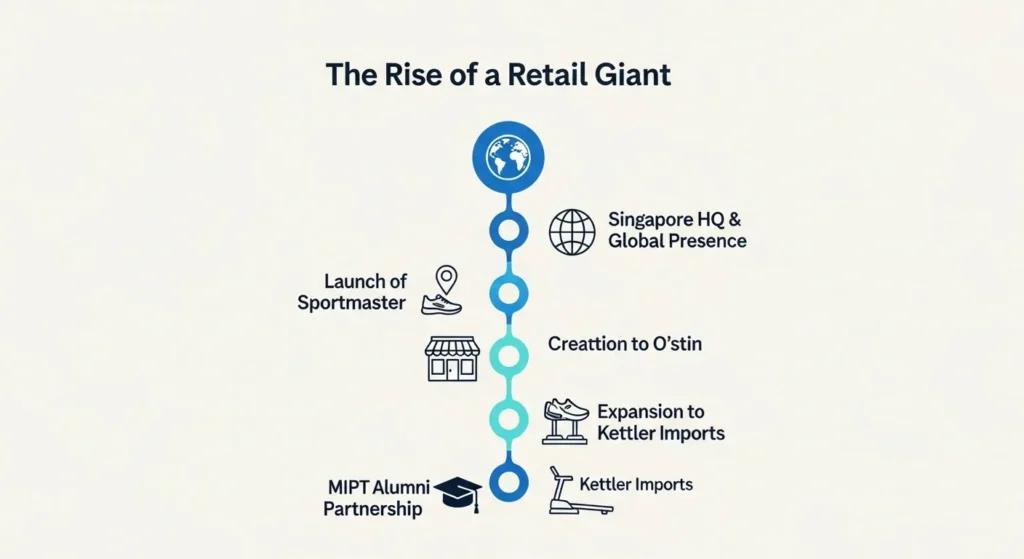
A key element of the Fartushnyak Nikolay business strategy was aggressive geographical expansion combined with brand diversification. Understanding that the sporting goods industry has seasonal fluctuations, the group expanded their portfolio to include casual wear. This led to the creation of the O’stin brand and subsequently the Funday clothing chain.
Their growth strategy featured three core pillars:
- Vertical Integration: By controlling logistics and developing private labels (like Demix), they reduced dependency on external suppliers.
- Market Penetration: They rapidly expanded into smaller cities, capturing market share before competitors could react.
- Global Ambitions: The eventual move to establish a Singapore headquarters signaled their transition from a local giant to an international player.
This systematic approach allowed them to weather various economic crises that toppled lesser competitors. Their ability to pivot—shifting focus between premium equipment and affordable apparel—kept their revenue streams stable.
For more on the history of global retail giants, you can explore this comprehensive industry report.
The Financial Footprint and Wealth Ranking
The financial success of the group is undeniable. Regular appearances on the Forbes billionaires list highlight the immense value created by the Fartushnyak brothers and Doykhen. A detailed net worth assessment often places them among the wealthiest individuals in the sector—a testament to their prudent investment portfolio management.
However, their wealth isn’t just liquid cash; it is tied up in a vast network of real estate, logistics hubs, and inventory across thousands of stores. Their wealth ranking fluctuates with the retail market, yet the underlying asset base of Sportmaster’s history proves to be robust.
They have successfully navigated the complexities of the retail franchise model, licensing their brand effectively in markets where direct ownership was less feasible.
Actionable Guide: Applying the Sportmaster Model
You don’t need to be a billionaire to apply the principles of the Fartushnyak Nikolay business model. Here is a step-by-step guide to applying their core strategies to your own venture:
- Identify the Supply Gap: Just as they identified the lack of Kettler-Sport equipment, look for high-demand, low-supply niches in your local market.
- Control the Channel: Don’t just be a middleman. If you distribute, aim to eventually own the retail frontage (digital or physical) to own the customer relationship.
- Diversify for Stability: If your main product is seasonal (like skis), launch a secondary line that sells year-round (like the O’stin brand for casual wear).
- Reinvest Aggressively: In the early years, profit should fund expansion. The Fartushnyak brothers are known for pouring capital back into Sportmaster Operations to fuel growth.

Learn more about scaling your own business in our article on scaling retail operations effectively.
Frequently Asked Questions
Q: Who are the founders of Sportmaster?
A: The primary founders are Nikolay and Vladimir Fartushnyak, along with their university friend Dmitry Doykhen. They are all MIPT alumni.
Q: What other brands does the group own?
A: Besides the flagship Sportmaster chain, the group owns and operates the popular O’stin brand and the Funday clothing chain, catering to the casual apparel market.
Q: Where is the business headquartered now?
A: While originally a Russian entity, the parent company eventually moved its operations to a Singapore headquarters to facilitate international investment and expansion.
My Expert Opinion
Having analyzed the retail sector for over 15 years, I believe the Fartushnyak Nikolay business story is often misunderstood. Many attribute their success simply to being in the right place at the right time during the ’90s boom. I strongly disagree.
The “wild east” of the ’90s was a graveyard for businesses. Thousands of entrepreneurs started importing goods; very few built empires. The differentiator for Nikolay Fartushnyak was not luck, but an obsession with systems and logistics.
While others were buying sports cars with their first profits, the Fartushnyak brothers were investing in IT infrastructure and supply chain management. This unglamorous backend work is the real secret sauce.
In my view, their genius wasn’t in selling sneakers—it was in building a logistics machine that happened to sell sneakers. If you want to replicate their success, stop looking at their marketing and start looking at their warehouses.
Conclusion
The business biography of Nikolay Fartushnyak is more than a history of a sports retail chain; it is a blueprint for entrepreneurial discipline. From importing exercise bikes to managing a multi-billion-dollar portfolio, the journey illustrates the power of education, partnership, and strategic diversification.
As the retail franchise landscape continues to evolve, the foundations laid by the Fartushnyak brothers remain a benchmark for aspiring magnates. Whether you are analyzing their net worth assessment or shopping at an O’stin store, the legacy of their vision is undeniable.