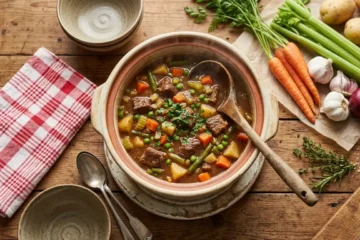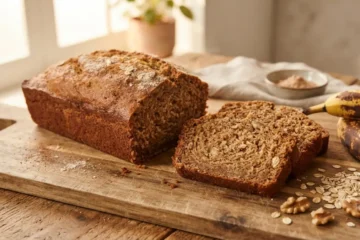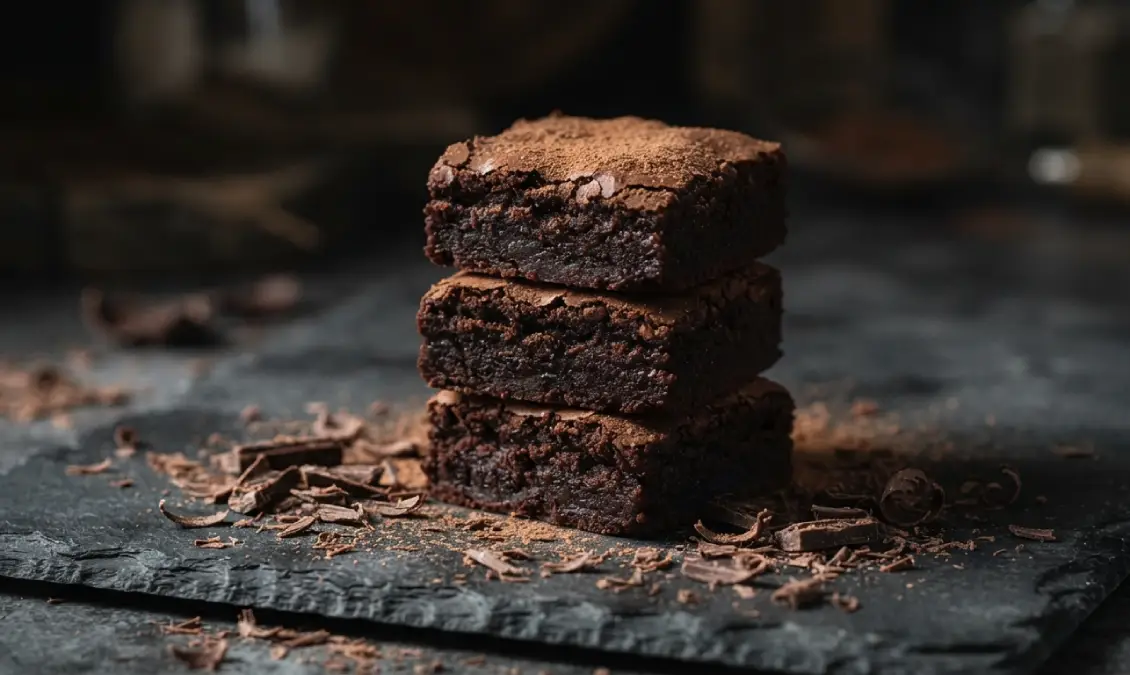
A great keto brownie recipe is one of the harder things to get right in low-carb baking — not because the ingredients are complicated, but because the texture gap between a real brownie and a disappointing one is wider in keto versions than in almost any other recipe category. Get it right, though, and you have something genuinely fudgy, rich, and chocolatey that holds up against any traditional brownie. Below are three complete recipes, each with its own ingredients table, covering a classic almond flour base, a coconut flour version, and one more indulgent peanut butter swirl variation.
Why Keto Brownies Are Different to Get Right
Traditional brownies get their fudgy texture from a combination of sugar, butter, eggs, and just enough flour to hold everything together. Remove the sugar and regular flour and you lose two of the main structural and moisture-retaining elements at once. Almond flour and keto sweeteners like erythritol or allulose can replace both, but they behave differently from their conventional counterparts — allulose in particular produces noticeably softer, more fudgy brownies than erythritol, which can crystallize slightly as it cools and produce a grainier texture. Understanding the basic differences between keto sweeteners and how they behave when baked is the fastest way to troubleshoot a keto brownie that isn’t coming out the way you want.
Choosing the Right Ingredients
A few specific decisions shape the outcome more than anything else:
- Almond flour vs. coconut flour: Almond flour produces a denser, moister crumb closer to a traditional brownie; coconut flour absorbs far more liquid, needs more eggs, and produces a lighter, more cake-like result.
- Sweetener choice: Allulose produces the softest, most fudgy texture and browns like real sugar; erythritol works but may leave a slightly cooling aftertaste; monk fruit blends are a good middle ground.
- Fat source: Butter gives the richest flavor; coconut oil works for dairy-free versions but produces a slightly different crumb.
- Cocoa powder vs. melted chocolate: Melted dark chocolate adds fat and depth that cocoa powder alone can’t fully replicate, though cocoa powder with extra butter comes close.
For more keto baking guidance, see our keto baking guide, or this overview of the principles behind ketogenic eating and low-carb substitutions.
Classic Keto Brownie Recipes
These two versions cover the most common flour choices in keto baking.
Classic Almond Flour Keto Brownies
| Ingredient | Amount |
|---|---|
| Blanched almond flour | 1/2 cup |
| Butter, melted | 1/2 cup |
| Unsweetened cocoa powder | 1/2 cup |
| Eggs | 3 large |
| Allulose or erythritol sweetener | 3/4 cup |
| Vanilla extract | 1 tsp |
| Baking powder | 1/4 tsp |
| Salt | 1/4 tsp |
| Sugar-free chocolate chips (optional) | 1/4 cup |
- Whisk melted butter, sweetener, and eggs together until smooth and slightly glossy.
- Fold in cocoa powder, almond flour, vanilla, baking powder, and salt until just combined; stir in chocolate chips if using.
- Pour into a lined 8×8 pan and bake at 325°F for 20–22 minutes — the center should look just set but still slightly soft, as it firms up as it cools.
Coconut Flour Keto Brownies
| Ingredient | Amount |
|---|---|
| Coconut flour | 1/4 cup |
| Butter, melted | 1/2 cup |
| Unsweetened cocoa powder | 1/3 cup |
| Eggs | 4 large |
| Erythritol or monk fruit sweetener | 2/3 cup |
| Vanilla extract | 1 tsp |
| Baking powder | 1/4 tsp |
| Salt | 1/4 tsp |
- Whisk eggs, melted butter, sweetener, and vanilla together until well combined.
- Fold in coconut flour, cocoa powder, baking powder, and salt; let the batter rest for 2–3 minutes to allow coconut flour to fully absorb the liquid.
- Pour into a lined 8×8 pan and bake at 325°F for 18–20 minutes until just set in the center.
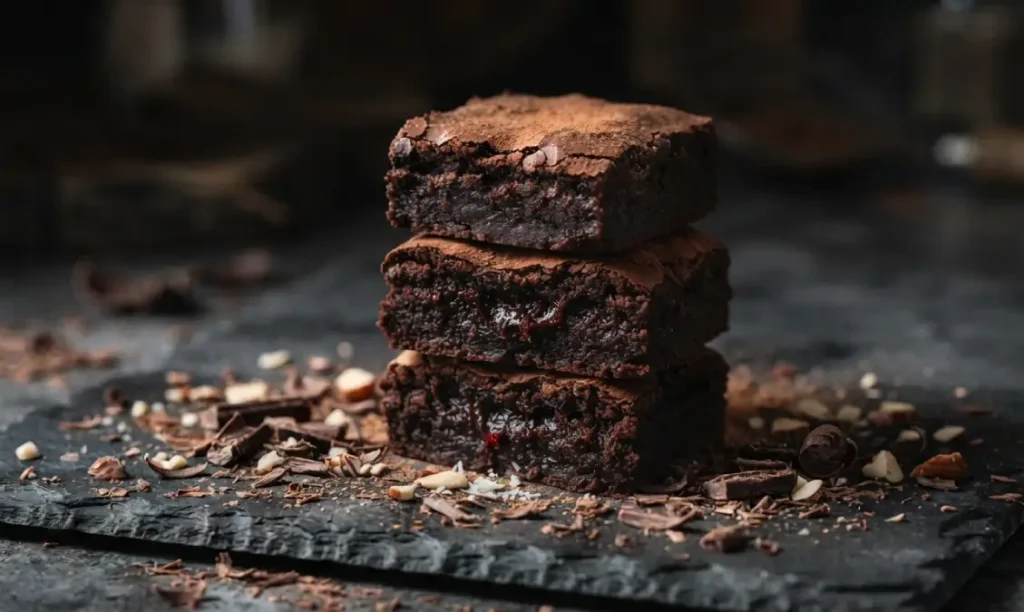
A Decadent Keto Brownie Worth the Extra Effort
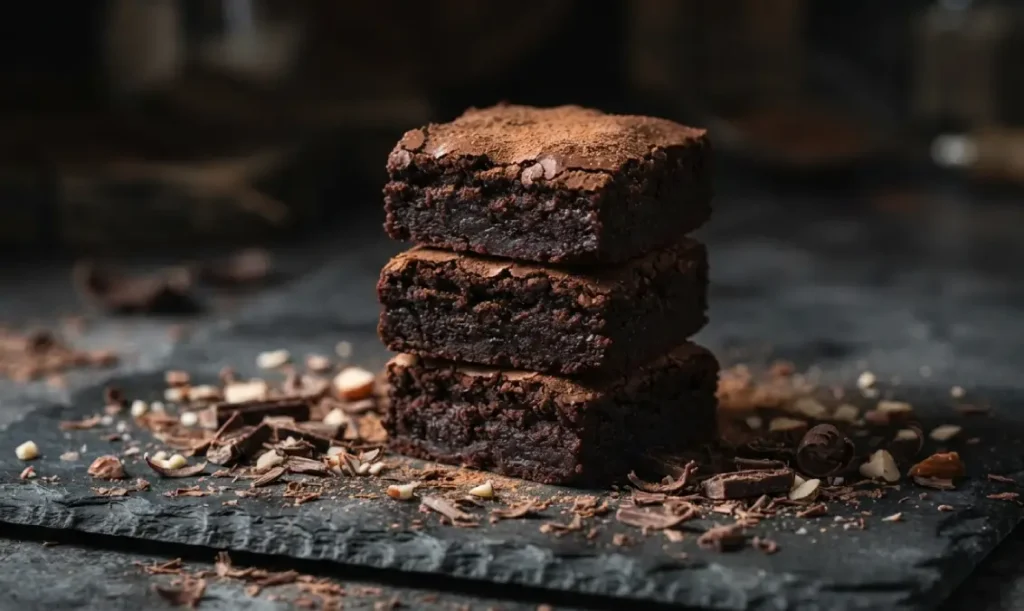
Peanut Butter Swirl Keto Brownies
| Ingredient | Amount |
|---|---|
| Blanched almond flour | 1/2 cup |
| Butter, melted | 1/2 cup |
| Unsweetened cocoa powder | 1/2 cup |
| Eggs | 3 large |
| Allulose or erythritol sweetener | 3/4 cup |
| Vanilla extract | 1 tsp |
| Baking powder | 1/4 tsp |
| Salt | 1/4 tsp |
| Natural peanut butter | 1/4 cup |
| Powdered sweetener (for peanut butter layer) | 1 tbsp |
- Prepare the almond flour brownie batter as in the classic recipe above and pour into a lined 8×8 pan.
- Mix peanut butter with powdered sweetener until smooth, then drop spoonfuls across the top of the batter.
- Drag a toothpick or skewer through the peanut butter and batter in a swirling motion, then bake at 325°F for 22–24 minutes until just set.
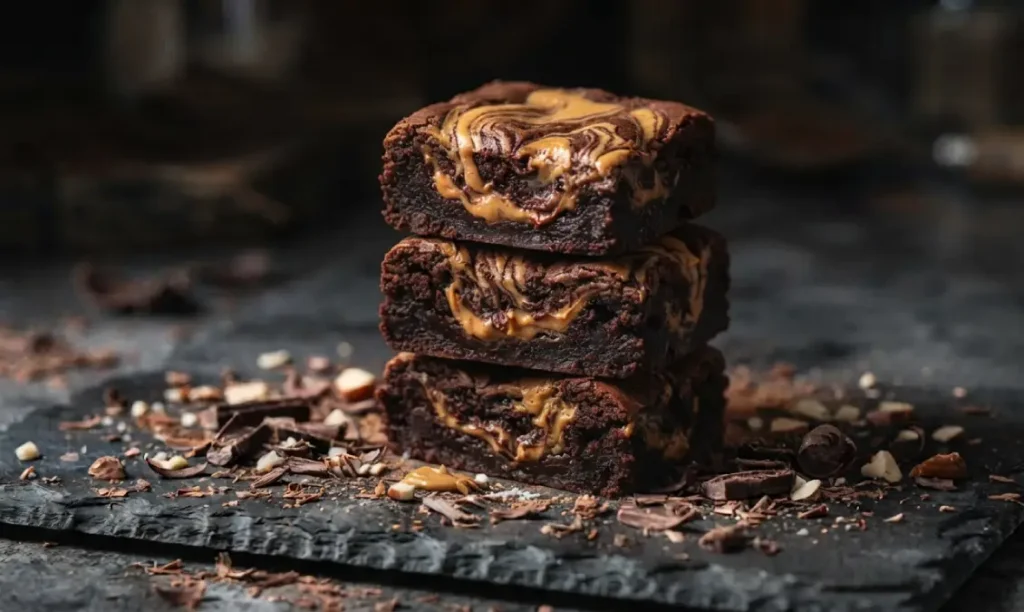
Step-by-Step Guide to Perfect Keto Brownies
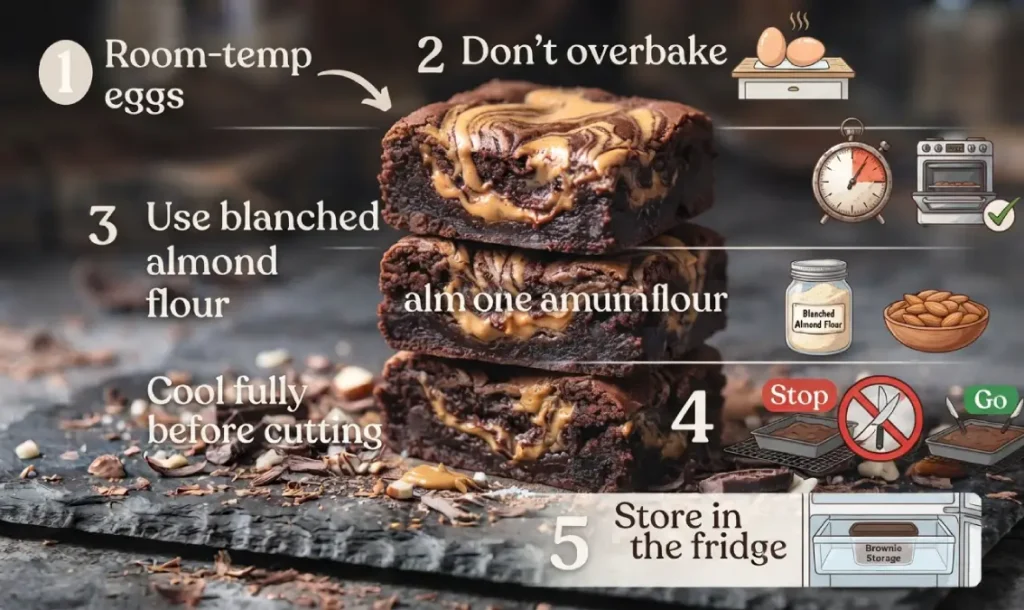
- Start with room-temperature eggs. Cold eggs can cause melted butter to seize up when mixed, which affects the final texture.
- Don’t overbake. The single most common reason keto brownies fail is overbaking — they should look underdone in the center when you pull them out, since they firm up significantly as they cool.
- Use blanched almond flour, not almond meal. Almond meal is coarser and produces a grainier, less cohesive brownie that crumbles easily.
- Let them cool fully before cutting. Keto brownies are far more fragile when warm than traditional ones; cutting too early almost always produces crumbled edges rather than clean squares.
- Store in the fridge. The texture of keto brownies actually improves after a few hours in the refrigerator — they become denser and more fudgy, closer to a traditional brownie in feel.
Frequently Asked Questions
Q: How many net carbs are in a typical keto brownie?
Most almond flour versions land between 2–4 grams of net carbs per square, depending on size and the specific sweetener and chocolate used.
Q: Why did my keto brownies turn out cakey instead of fudgy?
This usually comes from too much baking powder, too many eggs, or overbaking — all of which push the texture toward cake rather than fudge. Try reducing baking powder to just a pinch and pulling them from the oven sooner.
Q: Can I use stevia instead of erythritol or allulose?
Stevia is much sweeter by volume and doesn’t provide the same bulk as erythritol or allulose, which means the texture will be affected if you substitute it at the same amount.
Q: Can I freeze keto brownies?
Yes — slice into squares, layer between parchment, and freeze in an airtight container for up to two months. Thaw at room temperature or in the fridge overnight.
Q: Do keto brownies taste different from regular brownies?
When made well with allulose and good-quality cocoa powder, they’re remarkably close. The main difference most people notice is a slightly denser, more compact crumb compared to a traditional flour-based brownie.
My Expert Opinion
After years of developing low-carb baking recipes professionally, my honest take is that allulose is the single best upgrade you can make to any keto brownie recipe, and most people haven’t tried it because it’s less widely stocked than erythritol. It dissolves more smoothly, browns more like real sugar, and produces a texture that doesn’t have the slight graininess or cooling sensation that erythritol can leave behind. If you’ve tried keto brownies before and been disappointed by the texture, switching sweeteners is almost always the fix before anything else. The peanut butter swirl version is my personal favorite of the three — the peanut butter layer adds enough fat and richness that the absence of regular sugar becomes almost impossible to notice.
Conclusion
A great keto brownie recipe comes down to three things: the right sweetener, the right flour ratio, and the discipline to pull them out of the oven before they look fully done. Whether you start with the classic almond flour version or go straight for the peanut butter swirl, each ingredients table above gives you a reliable starting point for a genuinely fudgy, satisfying brownie that fits comfortably within a low-carb lifestyle.