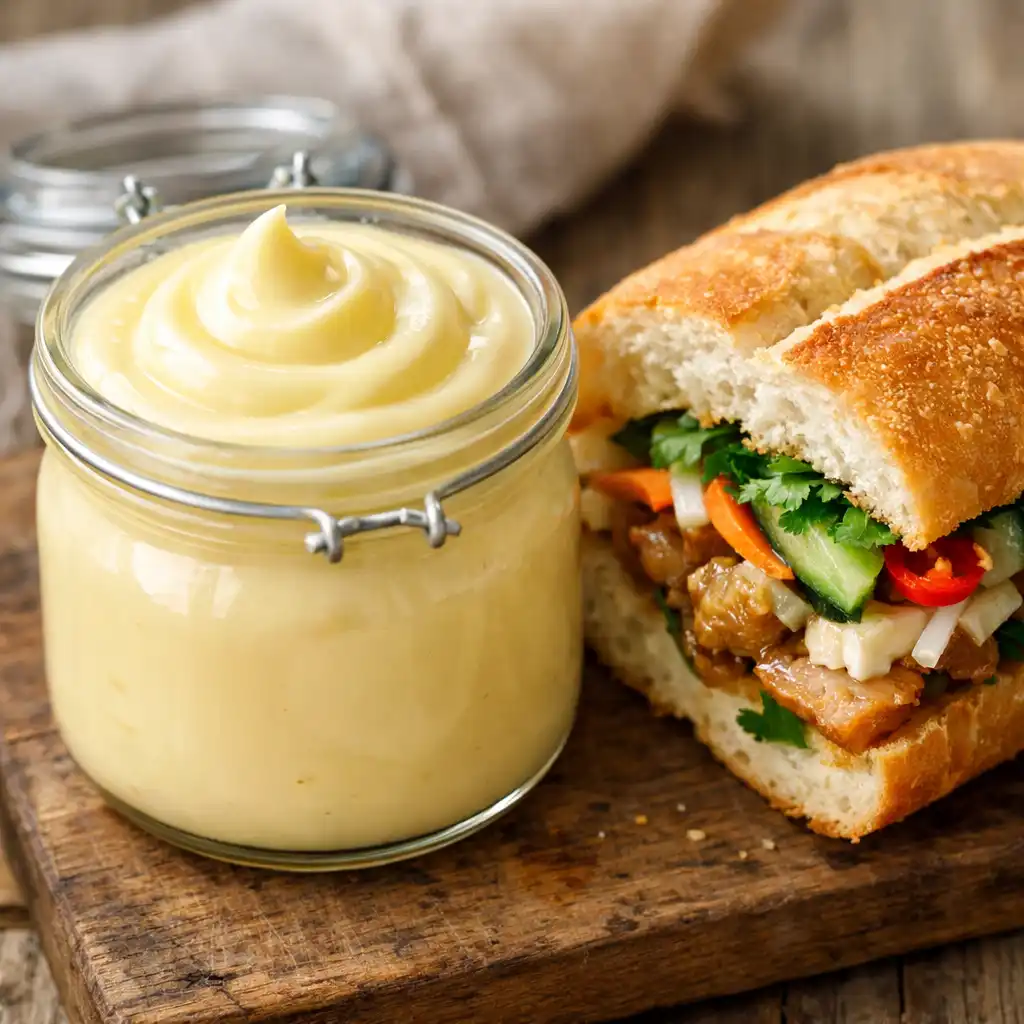
Vietnam mayonnaise — the creamy, faintly sweet, egg-rich condiment that holds every great bánh mì together — is easier to make at home than most people assume. It’s richer and slightly tangier than standard American mayonnaise, closer in style to Japanese Kewpie mayo, and it’s what gives a proper bánh mì its signature mouthfeel. Below you’ll find four complete recipes, each with its own ingredients table, ranging from the classic base recipe to flavored variations worth keeping in the fridge.
What Is Vietnam Mayonnaise, and Why Does It Taste Different?
Traditional Vietnam mayonnaise relies on egg yolks rather than whole eggs, a touch of sugar, and often a splash of rice vinegar or lime juice instead of plain white vinegar. That combination produces a richer, glossier texture and a slightly sweeter, more rounded flavor than store-bought Western mayonnaise. The underlying technique is still a classic emulsion — slowly working oil into egg yolks until the mixture thickens — and understanding that basic emulsification process is the key to getting a stable, silky result every time.
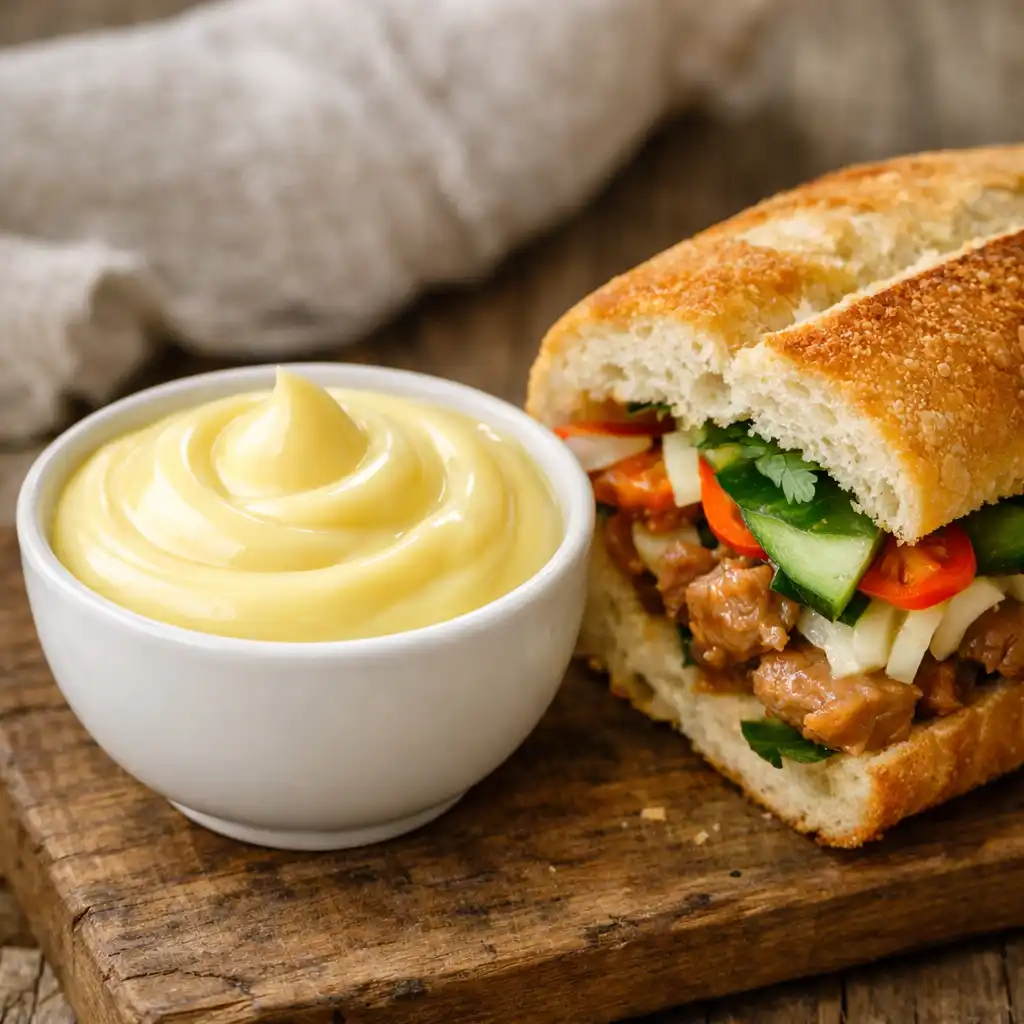
Classic Vietnam Mayonnaise Recipes
Start here if you’ve never made it before. Once you’ve got the base down, it’s easy to build the variations further down this guide into your own bánh mì sandwich routine.
Basic Vietnam Mayonnaise
| Ingredient | Amount |
|---|---|
| Egg yolks | 2 large |
| Neutral oil (vegetable or canola) | 1 cup |
| Rice vinegar | 1 tbsp |
| Sugar | 1 tsp |
| Salt | 1/4 tsp |
- Whisk egg yolks, sugar, and salt together until slightly pale and thickened.
- Add oil a few drops at a time while whisking constantly, increasing to a slow, steady stream once the mixture starts to thicken.
- Whisk in rice vinegar at the end, then taste and adjust salt or sugar as needed.
Garlic Vietnam Mayonnaise
| Ingredient | Amount |
|---|---|
| Basic Vietnam mayonnaise (recipe above) | 1 cup |
| Garlic, minced | 2 cloves |
| Lime juice | 1 tsp |
- Mince garlic as finely as possible, or pass it through a garlic press.
- Stir garlic and lime juice into the prepared mayonnaise base until fully combined.
- Let it sit for at least 15 minutes before serving so the garlic flavor mellows slightly.
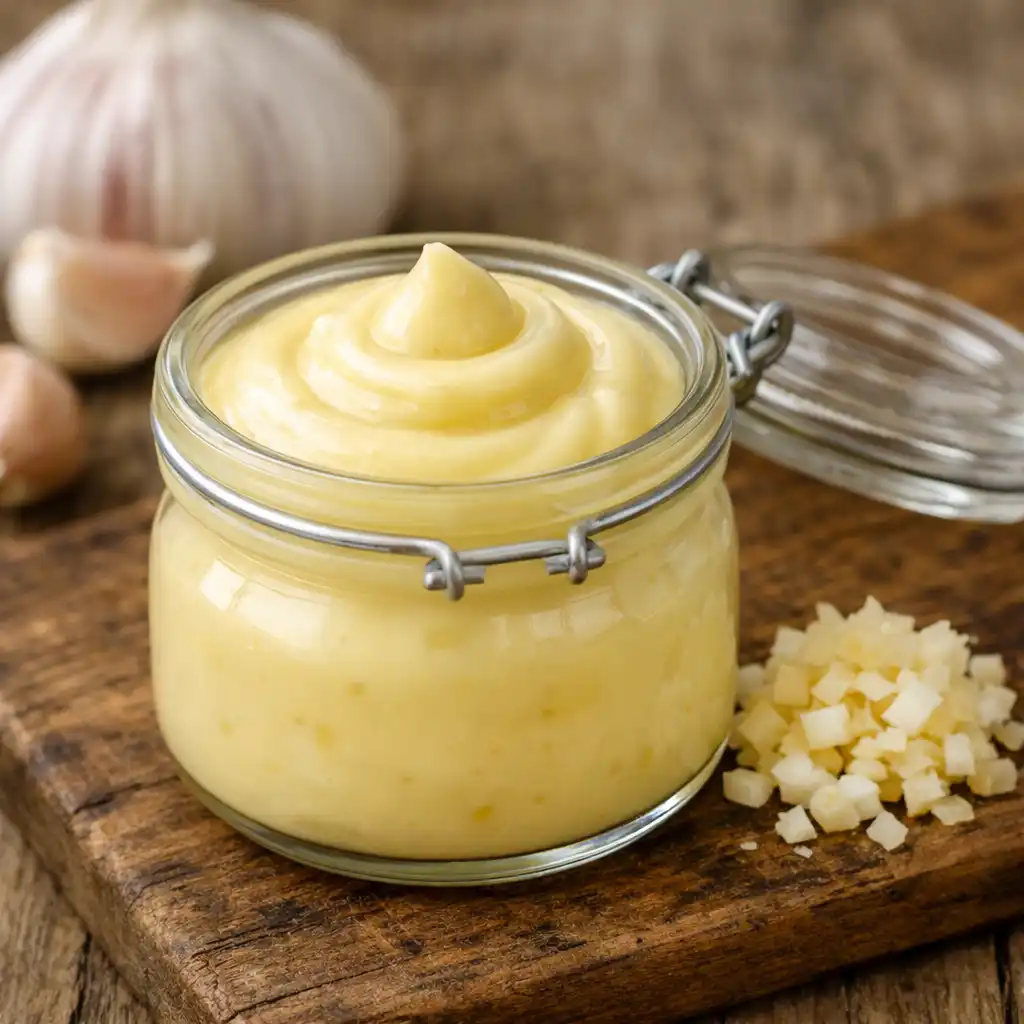
Flavored Vietnam Mayonnaise Variations
Once the base is in your fridge, these two variations take less than five minutes each to put together.
Sriracha Vietnam Mayonnaise
| Ingredient | Amount |
|---|---|
| Basic Vietnam mayonnaise | 1 cup |
| Sriracha sauce | 1–2 tbsp |
| Honey | 1/2 tsp |
- Stir sriracha into the mayonnaise base, starting with 1 tablespoon.
- Add honey to balance the heat, then taste and add more sriracha if needed.
- Refrigerate for at least 10 minutes so the flavors meld together.
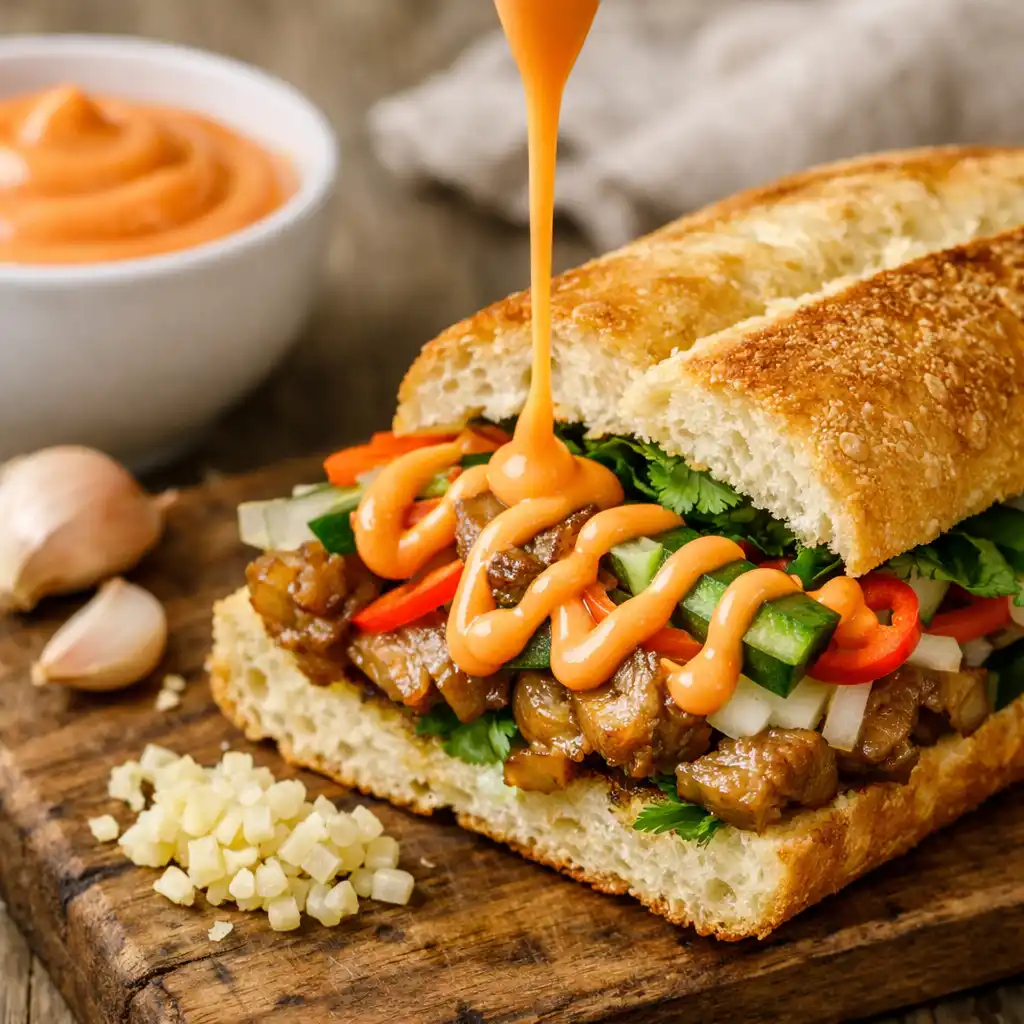
Pâté-Mayo Spread for Bánh Mì
| Ingredient | Amount |
|---|---|
| Basic Vietnam mayonnaise | 1/2 cup |
| Pork or chicken liver pâté | 1/4 cup |
| Black pepper | 1/4 tsp |
- Mash pâté until smooth, or pulse briefly in a food processor.
- Fold pâté and black pepper into the mayonnaise base until evenly blended.
- Spread directly onto bread before adding the rest of your sandwich fillings.
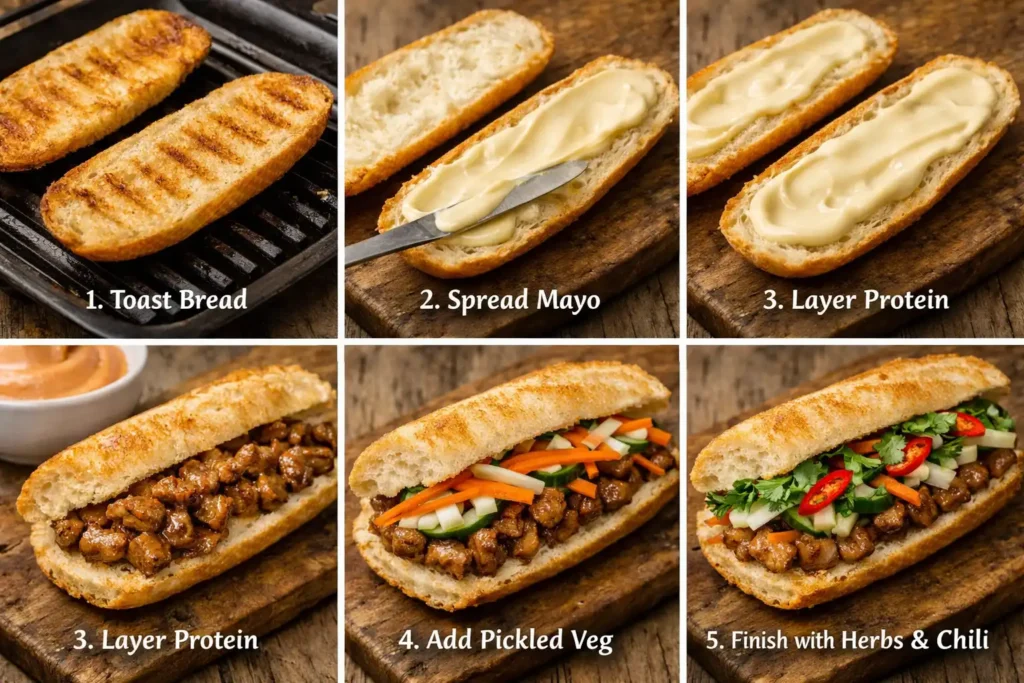
How to Build the Perfect Bánh Mì With Vietnam Mayonnaise
The mayonnaise is only half the equation — here’s how to use it the way it’s traditionally served:
- Toast the baguette lightly. A slightly crisp exterior keeps the sandwich from getting soggy once the mayo and fillings go in.
- Spread mayonnaise on both cut sides. This creates a moisture barrier and adds flavor to every bite, not just the top.
- Layer proteins first. Grilled pork, chicken, or tofu should go directly against the mayo.
- Add pickled vegetables next. Quick-pickled carrots and daikon add the acidity that balances the richness of the mayo.
- Finish with herbs and chili. Fresh cilantro, sliced jalapeño, and a final light drizzle of mayo round out the flavor.
Frequently Asked Questions
Q: How long does homemade Vietnam mayonnaise keep in the fridge?
Stored in an airtight container, it stays fresh for about 5–7 days since it’s made with raw egg yolk.
Q: Can I use whole eggs instead of just yolks?
You can, but the result will be lighter and less rich — using only yolks is what gives it that signature Vietnam mayonnaise texture.
Q: Why did my mayonnaise turn out runny instead of thick?
This usually happens when oil is added too quickly at the start. Add it in small drops until the mixture visibly thickens before increasing the pace.
Q: Is there a substitute if I can’t make mayonnaise from scratch?
Kewpie mayo is the closest store-bought substitute, since it’s also made primarily with egg yolks and has a similar richness.
Q: Can I make a dairy-free or egg-free version?
Aquafaba (chickpea brining liquid) can replace egg yolks in a pinch, though the texture will be noticeably lighter than the traditional version.
My Expert Opinion
After years of making sandwich condiments professionally, my honest take is that most home cooks overthink homemade mayonnaise. The emulsion isn’t fragile if you respect one rule: add the oil slowly at the start and you can speed up later. I’d also push back on the idea that you need a stand mixer or immersion blender — a whisk and a steady hand work just as well, and you’ll have more control over texture. The real difference between average Vietnam mayonnaise and great Vietnam mayonnaise isn’t equipment, it’s balance — taste as you go, and don’t be afraid to add an extra pinch of sugar or splash of vinegar until it tastes right to you.
Conclusion
Vietnam mayonnaise is one of those condiments that seems intimidating until you’ve made it once, and then it becomes a kitchen staple you reach for constantly. Start with the basic recipe, keep a batch in the fridge, and use the variations above to match whatever you’re building — a bánh mì, a sandwich, or just something to dip fries into.